You can tour a dozen Bal Harbour towers and feel dazzled by the amenity lists, but not all perks deliver the same daily value or resale power. If you are weighing top buildings, the keys are how amenities fit your lifestyle and how they are operated, insured, and funded. When you focus on what you will use and what broad buyers want next, you make a smarter purchase. This guide shows you which amenities matter most, how to compare buildings, and what to ask before you commit. Let’s dive in.
Why amenities matter here
Bal Harbour attracts affluent, often seasonal buyers who want privacy and full-service living. You will likely compare flagship luxury buildings where service level and execution define the experience. In this coastal setting, insurance, flood exposure, and building safety drive costs and buyer confidence, so you have to evaluate more than a glossy brochure.
Florida condominium law and post‑Surfside safety standards increased the focus on reserves, inspections, and transparency. In practice, that means an amenity’s value depends on staffing, maintenance, and funding. A beautiful beach club or spa only helps you if the association can run it well over time.
Essential amenities with the biggest impact
Private beach access and services
Direct, managed beach access is a top driver in Bal Harbour. A private or exclusive beach setup with attendants, chairs, and pathways removes friction from daily life. It also supports resale since many buyers prioritize guaranteed beach rights over ocean views alone. Keep in mind that beach operations, dune care, and liability carry ongoing costs that must be budgeted.
24/7 concierge and valet
Full-time concierge and reliable valet are core to luxury living. You gain help with deliveries, reservations, guest arrivals, and day‑to‑day logistics. Consistent professional staffing is expected at this level and can set your building apart when you sell.
Security and access control
Secure entries, monitored lobbies, and controlled garage access protect privacy. Documented security protocols are a plus for buyer confidence and often factor into the comparison among flagship buildings.
On-site dining and room service
A well-run in-building restaurant or food program adds convenience and a social hub. For lock‑and‑leave lifestyles, quality dining on property is a high-utility perk. Performance matters. If the venue is subsidized by owners and poorly managed, it can become a cost burden instead of a selling point.
Wellness, spa, and fitness
A robust, well-equipped fitness center with classes, trainers, and spa services saves you trips offsite. At the luxury tier, these offerings are expected, and the difference shows in how they are staffed and scheduled.
Useful but situational amenities
Resort pools and cabanas
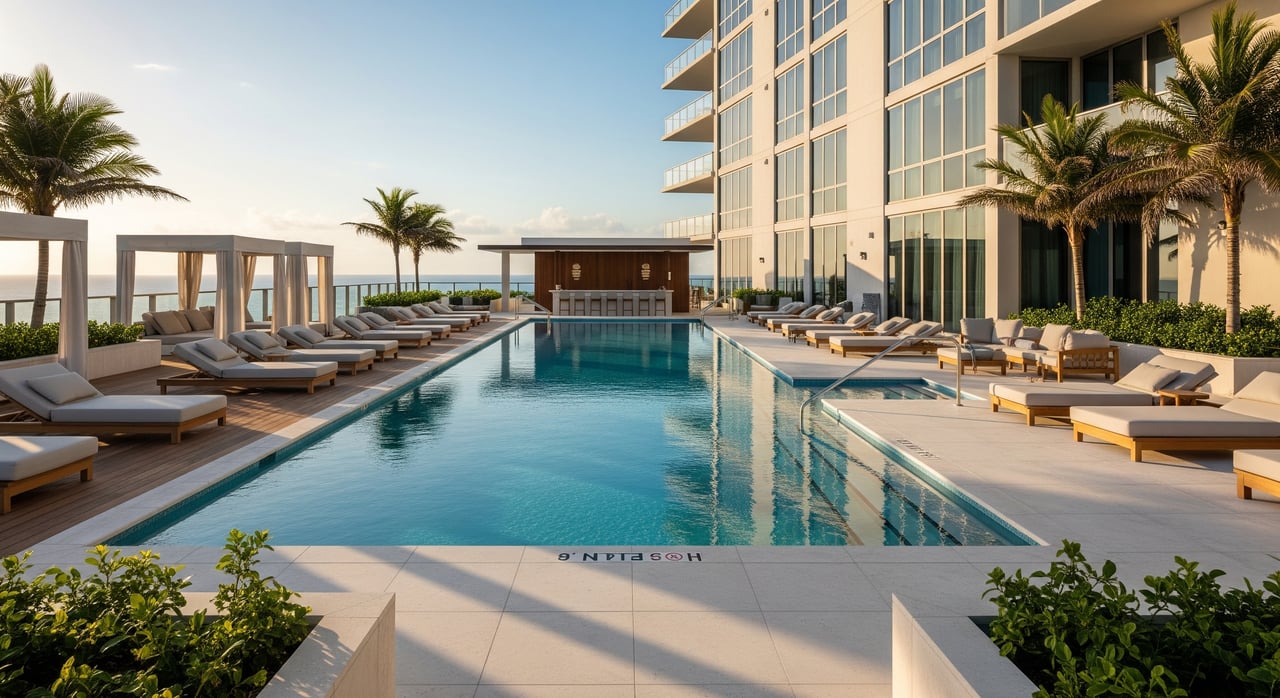
South Florida living centers on the pool deck, so this is a daily-use amenity for many owners. Still, pool heating, repairs, and compliance add costs to the budget. Look at how the association plans for these over time.
Private elevators and foyers
Keyed elevators and private foyers enhance privacy and convenience. They typically support premiums in upper-tier residences, especially for larger floor plans.
Parking and guest logistics
Assigned, covered parking and clear guest parking policies matter more than you might expect. Bal Harbour’s coastal climate makes covered spaces valuable, and smooth guest access reduces headaches.
In-building services
Housekeeping, pet care, dry cleaning, and package handling add ease, especially for seasonal owners. Fee-for-use services scale better and reduce pressure on monthly dues.
Courts, theaters, and kids’ rooms
These amenities appeal to certain lifestyles. They can be great if you will use them, but they may not add broad resale value if they reduce space for higher-demand features.
Business centers and co-working
Hybrid work increased demand for quiet workspaces, yet usage varies by owner mix. Evaluate hours, privacy, and Wi‑Fi quality during your visit.
Marina or boat access
For boat owners, slips are a premium feature. They are rare and costly to maintain, and they attract a niche buyer segment rather than broad demand.
The cost side you should not ignore
Budgets and reserves
Ask for the current budget and reserve study. Strong reserves reduce the risk of special assessments for amenity repairs or upgrades. Underfunded reserves can jeopardize amenity quality and resale timing.
Staffing and turnover
Service quality depends on people. Look for adequate staffing and low turnover for concierge, beach attendants, and spa teams. Consistency equals value.
Third-party operators and subsidies
Restaurants, spas, and beach clubs are often outsourced. Review contract terms and whether the operator is profitable or subsidized by owners. A well-structured deal can enhance services and stabilize dues.
Insurance and deductibles
Master policies, wind and flood coverage, and deductibles affect total cost of ownership. Coastal buildings often carry higher deductibles that owners must plan for. Clarify where the master policy ends and unit-owner coverage begins.
Capital projects and timelines
Elevator upgrades, façade work, seawalls, and roofs shape assessments and future appeal. Recently completed projects can be a plus, while looming projects may affect timing and price.
Governance and litigation
Transparent boards and clean legal histories are positive indicators. Ongoing litigation, opaque reporting, or delayed projects are warning signs.
Compare buildings with a simple matrix
Create a 1–5 scoring system for each category below, then total the scores across buildings you are considering:
- Essential utility: private beach, security, staffing
- Daily convenience: concierge, valet, guest flow
- Wellness: gym, spa, classes, staffing
- Entertainment: pool, dining, social spaces
- Cost and complexity: insurance exposure, reserves, subsidy risks
This makes trade-offs visible, so you can decide if a standout amenity justifies higher dues or if a building’s strengths align with how you will actually live.
On-site tour checklist
- Lobbies and corridors: cleanliness, finishes, and elevator condition
- Beach path: condition, dunes, attendants, and signage
- Pool and spa: water clarity, chair availability, posted schedules
- Fitness center: equipment quality, class calendar, and staffing
- Dining: menu, hours, wait times, and service professionalism
- Parking: signage, guest flow, valet process, and garage condition
- Noise and views: nearby activity, mechanical noise, and sightlines
Smart questions for managers or boards
- How current is the reserve study, and what is the funding plan?
- What portion of dues covers staffing, beach maintenance, utilities, and insurance?
- Are dining or spa operations profitable or subsidized?
- What capital projects are planned, and how will they be funded?
- What are the master policy deductibles for wind and flood?
- What is the policy on rentals and guest management?
Red flags to watch
- No recent reserve study or reserves that lag the plan
- Special assessments without a clear repayment schedule
- Refusal to provide budgets, insurance details, or meeting minutes
- Frequent operator turnover for key amenities
- Evidence of structural or waterproofing issues in recent reports
Prioritize by your lifestyle
- Full-time resident: Focus on private beach access, security, robust wellness, and predictable budgets. You will likely value consistent staffing and a professionally run dining option over novelty features.
- Seasonal owner: Aim for high-service convenience. Concierge, valet, package handling, and fee-based services reduce friction, while hurricane-ready features and backup power add peace of mind.
- Investor owner: Favor broad-demand amenities like beach access, security, and parking. Steady operations, clean financials, and clear rental policies support marketability and exit options.
Your next step
If you align amenities with daily use, confirm the financials behind them, and compare buildings with a simple matrix, you will make a confident choice in Bal Harbour. When you are ready to shortlist buildings, review budgets and reserves, and structure a winning offer, connect with a local advisor who understands coastal operations and luxury buyer expectations.
Have questions or want a tailored comparison of flagship towers? Schedule a conversation with Donna Zalter, PA MBA to plan your Bal Harbour move with clarity and confidence.
FAQs
Do private beach rights raise value in Bal Harbour?
- Typically, yes. Private or exclusive beach access is a top driver for buyers, but confirm how access is deeded and who pays for ongoing maintenance.
Are in-building restaurants a net positive for owners?
- They can be, especially with a successful third-party operator that pays rent; subsidized venues may become a financial burden if losses are covered by owners.
How important is 24/7 concierge and valet service?
- For luxury towers, full-time professional staffing is expected and correlates with smoother daily living and stronger resale comparisons.
What insurance details should I review before buying?
- Review the master policy scope and wind and flood deductibles, and clarify what the unit-owner policy must cover to understand total cost of ownership.
Should I prioritize hurricane-hardened features and backup power?
- Yes. Hurricane-rated openings and backup generators improve livability after storms and can influence underwriting and buyer confidence.
How do I compare two flagship buildings quickly?
- Score each on essentials, convenience, wellness, entertainment, and cost complexity, then weigh the totals against your actual lifestyle use.