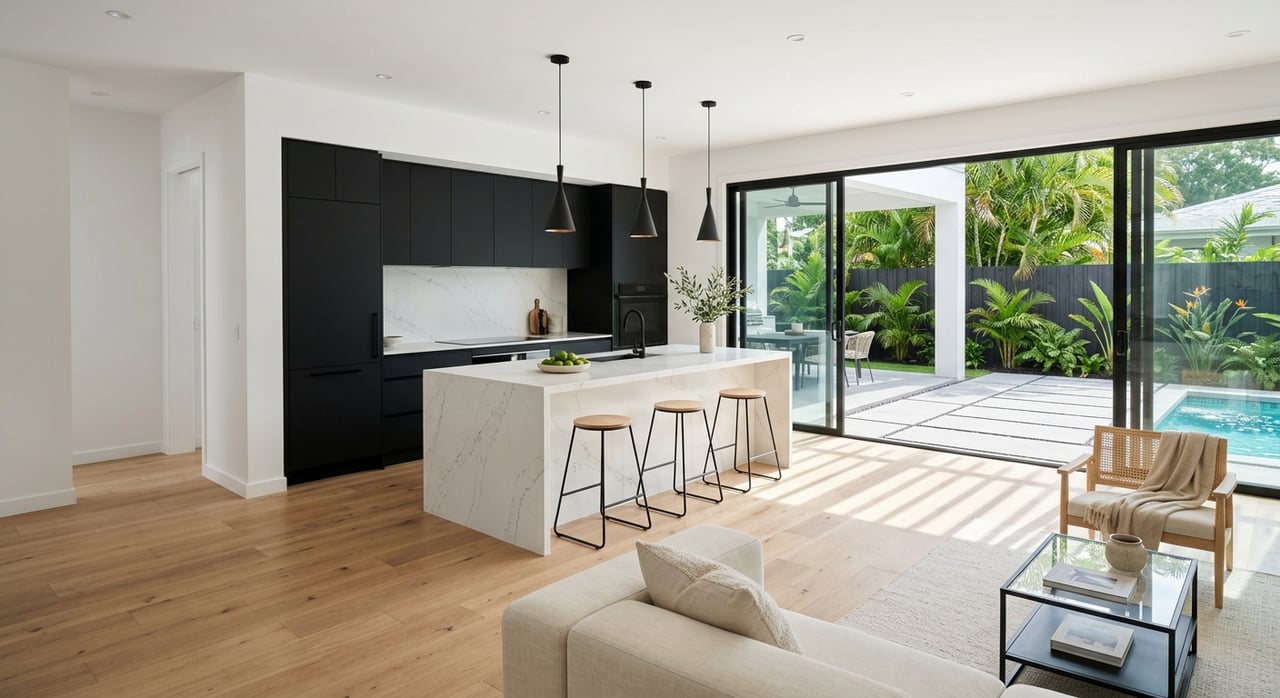
What if the fastest way to make your Plantation home feel more market-ready is not a full renovation, but a smarter plan? If you are thinking about selling in Plantation Park, you may be wondering which updates are worth the effort, which ones are not, and how to manage it all without turning your life upside down. A concierge-style prep strategy can help you focus on the improvements that support a stronger first impression, better online presentation, and a smoother launch. Let’s dive in.
Why prep matters in Plantation Park
Plantation’s single-family market is active, but buyers still have options. In Q1 2026, Plantation posted 197 new sales, 93 pending sales, 192 active listings, and 3.5 months of supply, with sellers receiving 92.9% of original list price on average. That tells you homes can sell, but condition, pricing, and presentation still matter.
A broader April 2026 snapshot for Plantation homes showed a median 55 days on market. While that data includes all home types and not just single-family homes, it supports the same idea: buyers are looking carefully, and your launch strategy can influence how your home is received.
What concierge-style prep means
Concierge-style prep is a guided, project-managed approach to getting your home ready for sale. Instead of guessing what to fix or spending money in every room, you work through a clear plan built around visibility, buyer perception, and timing.
For many sellers, that means starting with practical improvements such as decluttering, deep cleaning, paint touch-ups, flooring refreshes, landscaping, and selective staging. Through Compass Concierge, approved home improvement services can be fronted with no payment due until closing, although fees or interest may apply depending on the state, and repayment can occur when the home sells, the listing ends, or after 12 months.
Why this approach fits busy sellers
If you live out of town, own a second home, or simply do not have time to coordinate vendors, a concierge-style plan can reduce stress. Instead of managing every moving part yourself, you can follow a step-by-step process with help on project selection, scheduling, and launch timing.
That is especially useful when the goal is to present the home well from day one. A staged timeline can allow improvements to happen first, then photography and marketing to follow when the home is fully ready.
Start with the rooms buyers notice most
You do not need to stage every room to make a strong impression. The best-supported strategy is targeted prep, with your budget going first to the spaces buyers notice most.
According to NAR’s 2025 staging research, buyers’ agents ranked the living room as the most important room to stage, followed by the primary bedroom and kitchen. Those are also the rooms most commonly staged, which makes them a smart place to focus if you want the biggest visual impact.
Focus on the living room
Your living room often shapes the emotional first impression of the home. It helps buyers understand scale, flow, and how the home lives day to day.
A clean layout, lighter decor, and fewer distractions can make the space easier to read in person and in photos. If a room feels crowded or dated, small changes can help it feel more open and current.
Refresh the primary bedroom
The primary bedroom should feel calm, simple, and functional. Buyers do not need dramatic styling here. They need a room that feels clean, spacious, and easy to picture as their own.
Fresh bedding, reduced furniture, and a neutral setup often do more than heavy decorating. The goal is clarity, not overdesign.
Simplify the kitchen
Kitchens draw attention quickly. If your kitchen is generally in solid shape, a deep clean, clear counters, updated hardware, or selective touch-ups may go farther than a major remodel.
This is where concierge-style prep can be especially helpful. You can decide whether the kitchen needs cosmetic work, better styling, or no changes at all based on how it will show to today’s buyers.
Fix friction before you add flair
One of the biggest mistakes sellers make is spending money on the wrong things. A better approach is to remove objections first.
That usually means tackling items like:
- Clutter and overfilled closets
- Deep cleaning throughout the home
- Scuffed paint or obvious wall damage
- Worn flooring in high-visibility spaces
- Outdated or distracting light fixtures
- Exterior areas that need trimming or cleanup
NAR’s 2025 research supports this balanced strategy. Staging can help buyers visualize a property more easily, but it is not a guaranteed value booster in every sale. The strongest takeaway is that presentation works best when it modernizes the look of the home, reduces distractions, and helps buyers understand the space.
Professional visuals are not optional
Most buyers start online, which means your home’s first showing often happens on a screen. NAR’s 2024 home search study found that 52% of buyers found the home they purchased on the internet, and 72% used a mobile or tablet device during the search.
Photos matter most in that process. NAR also reported that 81% of buyers consider listing photos the most important factor when evaluating properties, and nearly nine in ten buyers age 58 and under said photos were the most useful website feature.
Why this matters for Plantation sellers
In a market where homes still need disciplined pricing and presentation, strong visuals can help your property stand out early. Clean design, balanced staging, and professional photography work together. If one piece is off, the whole listing can feel weaker.
Video and virtual tours can also support your launch, especially for out-of-area buyers or sellers. For absentee owners, that matters even more because online materials often stand in for repeated in-person check-ins.
Keep visuals accurate
Enhanced images should never mislead buyers about condition, size, or cost. If virtual tools are used, they should be clearly labeled and handled responsibly.
That protects trust from the start. It also helps avoid disappointment during showings.
A smart prep sequence for your home sale
If you are not sure where to begin, follow a logical order. This keeps spending focused and avoids redoing work later.
Step 1: Walk the home critically
Look at the home as a buyer would. What feels dated, crowded, unfinished, or distracting? Focus first on issues that affect the initial impression.
Step 2: Build a targeted scope
Choose only the updates that improve how the home shows. In most cases, that means cosmetic improvements and high-visibility fixes, not a full top-to-bottom overhaul.
Step 3: Check permit needs
If your project goes beyond cosmetic refreshes, pause before work begins. The City of Plantation says permits are required before construction, enlargement, alteration, or repair of a building or structure, including electrical, mechanical, and plumbing work. Permit applications generally must be submitted by a licensed contractor registered with the city.
Step 4: Prep the key rooms
Prioritize the living room, primary bedroom, and kitchen first. These spaces tend to carry the most weight with buyers and often deliver the strongest return in perceived presentation.
Step 5: Schedule photo-ready finishing
After repairs, cleaning, and staging are complete, bring in professional photography and other media. This is the moment when your prep work becomes market-facing.
Step 6: Time the launch carefully
Compass also allows a home to be marketed as a Private Exclusive or Coming Soon while improvements are underway, then released publicly once the work is complete. For the right seller, that can create a more controlled rollout and a better first impression when the listing goes live.
Do not over-improve low-visibility spaces
It is easy to overspend before listing. Yet the research points to a more measured path.
When professional staging is used, NAR reported a median spend of $1,500, and sellers’ agents said design quality and price were the top factors when choosing a stager. That supports a selective approach: invest where buyers are most likely to notice, and skip lower-impact rooms unless there is a clear issue to solve.
In other words, your goal is not perfection in every corner. Your goal is to make the home feel cared for, easy to understand, and ready to show.
Why the right advisor makes a difference
Selling with a concierge-style prep plan is not just about vendors or staging furniture. It is about making smart decisions in the right order.
NAR reports that sellers most want help marketing the home, pricing it competitively, and selling within a specific timeframe. The same research found that reputation and trustworthiness are the top factors when sellers choose an agent. That is why guidance matters so much during pre-sale prep.
A strong advisor helps you decide what is worth doing, what can wait, and how to avoid wasting time or money. For busy Plantation Park sellers, especially absentee or second-home owners, that kind of coordination can be just as valuable as the improvements themselves.
If you are getting ready to sell and want a polished, practical plan tailored to your home, Donna Zalter, PA MBA can help you map out the right prep strategy, coordinate the details, and launch with confidence.
FAQs
What does concierge-style prep mean for a Plantation Park home sale?
- It means using a guided, targeted plan for pre-sale improvements such as cleaning, decluttering, touch-ups, staging, and other approved services so your home shows better when it hits the market.
Should I stage every room before selling my Plantation home?
- Usually no. The strongest priorities are typically the living room, primary bedroom, and kitchen, since those rooms tend to matter most to buyers.
What should I do first before listing a single-family home in Plantation?
- Start with high-visibility items like decluttering, deep cleaning, paint touch-ups, flooring or fixture refreshes where needed, and staging or styling the main living spaces before photography.
Do I need a permit for pre-sale improvements in Plantation?
- If the work goes beyond cosmetic refreshes, possibly yes. The City of Plantation requires permits before many types of construction, alteration, repair, and mechanical, electrical, or plumbing work.
Why are professional photos so important when selling a home in Plantation Park?
- Because many buyers begin their search online, and listing photos are one of the most important tools they use to decide which homes to visit.
Is concierge-style prep only for luxury listings in Broward County?
- No. This approach can help many sellers because it is less about luxury extras and more about reducing buyer objections, improving presentation, and creating a smoother launch.