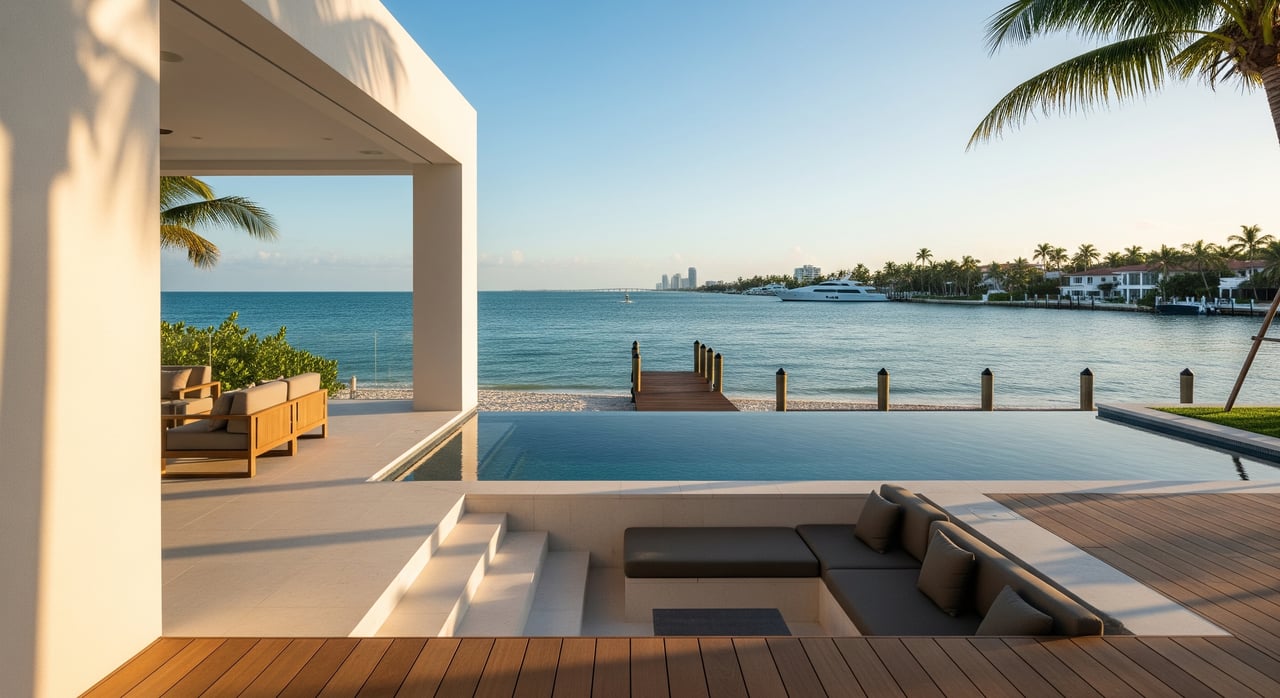
Thinking about buying on the water in Fort Lauderdale but not sure if oceanfront or Intracoastal fits you best? You’re not alone. Each waterfront type delivers a different lifestyle, boating experience, and ownership dynamic. In this guide, you’ll learn how oceanfront, Intracoastal, and canal living compare so you can choose with confidence. Let’s dive in.
Fort Lauderdale waterfront options
Oceanfront basics
Oceanfront homes and condos sit directly on the Atlantic along A1A, Seabreeze Boulevard, and the Las Olas beach area. You get open-horizon views, immediate beach access, and the sound of the surf. Expect stronger coastal winds and direct exposure to wave action and storm surge.
Intracoastal basics
The Intracoastal Waterway, or ICW, runs between the barrier islands and the mainland. It offers protected boating, wider channels, and a mix of mid- and high-rise condos, marinas, and yacht clubs. Views are water-focused and often include boat traffic and city skyline backdrops.
Canal-front basics
Residential canals branch off the ICW and thread through many neighborhoods. These canals are usually narrower and calmer, with private docks and more privacy. Access to the ICW depends on canal depth and bridge clearances.
Lifestyle trade-offs
Views and daylight
- Oceanfront: Unobstructed horizon and dramatic sunrises with maximum natural light.
- Intracoastal: Water and skyline views with boats passing by for visual interest.
- Canals: Intimate, green-lined views that feel sheltered and private.
Noise and activity
- Oceanfront: Surf noise, coastal wind, beachgoers, and seasonal events along A1A.
- Intracoastal: Boat engines and marina activity, especially on weekends and during season.
- Canals: Typically the quietest, with occasional boat maneuvering and maintenance sounds.
Privacy and access
- Oceanfront: Beach access points bring more public foot traffic near some buildings.
- Intracoastal and canals: More controlled access and private docks are common for single-family homes.
Sun, wind, and salt
- Oceanfront: Stronger winds and higher salt exposure, which can increase wear on exteriors and systems.
- Intracoastal/canals: Calmer conditions but still a coastal environment that requires diligent maintenance.
Day-to-day lifestyle
- Oceanfront: Beach walks, biking along the strand, and quick access to tourism amenities.
- Intracoastal: Boating, waterfront dining, marina services, and protected navigation.
- Canals: Neighborhood living with private dock use and quieter streets.
Boating and dockage
Dock types you’ll see
- Private fixed docks attached to single-family seawalls.
- Shared or deeded slips in select condo communities.
- Marina slips tied to buildings or commercial marinas along the ICW.
Boat size and access limits
- Depth, turn basins, and distance to the inlet affect the size of boat you can practically use.
- Fixed bridge clearances and low bridges on canal routes matter for tall vessels, especially sailboats.
- Many residential canals are no-wake. The ICW has posted speed and traffic rules that vary by segment.
Marina and harbor notes
- Proximity to Port Everglades can mean more marine traffic and wake activity near the inlet.
- Slip availability, waitlists, and fees vary widely by location and building.
What to verify before you buy
- Seawall and dock condition, age, and recent repairs. Seawall projects can be significant.
- Permits for docks, replacements, and seawall work through Broward County, the City of Fort Lauderdale, and the Florida Department of Environmental Protection.
- Power at the dock, load capacity, and suitability for your boat’s length, beam, and draft.
- Any deed restrictions, easements, or HOA rules that affect dock use or maintenance.
Floods, storms, and insurance
Flood zones and maps
All waterfront in Fort Lauderdale carries hurricane and flood risk. Oceanfront faces the most direct wave impact and storm surge, while the ICW and canals are more sheltered but still experience surge and tidal flooding. Review FEMA flood maps and request an elevation certificate for any property you consider.
Insurance basics
You will likely carry a homeowners policy and separate flood coverage. Premiums depend on elevation, construction type, mitigation features like impact glass, and claims history. Get quotes early in your search so you can compare true carrying costs across locations.
Structural and maintenance realities
Salt air speeds corrosion and wear on roofs, railings, mechanicals, and concrete. Older condos may face capital projects and special assessments for structural or garage repairs. Some multifamily properties require periodic safety recertification, so confirm timelines and reports during due diligence.
HOA and ownership dynamics
Oceanfront condos
Large associations often deliver resort-style amenities, security, and beach access, which can translate to higher HOA fees. Rental and pet policies vary by building. Exterior maintenance is handled by the HOA, but owners may share costs through reserves and assessments.
Intracoastal condos
You’ll find similar condo setups with added marina considerations, such as slip leases or maintenance charges. Policies and fees reflect the level of amenities and exposure to coastal conditions.
Canal single-family homes
HOAs are inconsistent across neighborhoods. Some manage bulkheads and common waterways, while others leave maintenance to each homeowner. Always confirm dock and seawall ownership and repair responsibility in title documents.
Market and search strategy
Price tiers and inventory
Waterfront carries a premium versus non-waterfront. Oceanfront often sits at the top tier, followed by Intracoastal, with canal pricing varying based on lot size, dockage, and proximity to the ICW or inlet. Inventory skews to high-rise condos on the oceanfront, a mix on the ICW, and more single-family choices on canals.
Narrow your search
- Lifestyle first: daily beach access, regular boating, or a quiet neighborhood.
- Docking needs: slip length, beam, draft, and shore power for your boat.
- Insurance tolerance: comfort with premiums and deductibles vs value in elevated or newer construction.
- Ownership style: condo amenities and rules vs single-family control and maintenance.
- Long-term costs: reserves, seawall and roof needs, and potential capital projects.
Buyer checklist
- Pre-offer:
- Confirm flood zone and request the latest FEMA map panel.
- Ask for an elevation certificate if available.
- Verify dock dimensions, seawall condition, and recorded permits.
- Request HOA documents, including reserves, meeting minutes, and rental rules.
- Obtain sample insurance quotes from a coastal specialist.
- Inspection phase:
- General inspection with focus on coastal wear and structure.
- Marine survey of dock and seawall.
- Survey or plat to confirm property lines, bulkhead, and easements.
- Title review for submerged land leases and any recorded restrictions.
- Post-offer:
- Confirm slip transfers, leases, or waitlist status.
- Verify permitting status for existing or planned dock and seawall work.
- Review any required building recertifications and inspection schedules.
Local pros to have on your team
- Coastal real estate advisor experienced in Fort Lauderdale waterfront.
- Marine surveyor and licensed dock or seawall contractor.
- Coastal insurance agent for wind and flood coverage.
- Title company versed in waterfront easements and submerged lands.
- Broward County and City of Fort Lauderdale permitting contacts for docks and shoreline work.
Oceanfront vs Intracoastal vs canals: Which fits you?
Choose oceanfront if you want the beach at your feet, open-sky views, and you are comfortable with salt exposure, higher wind, and potential crowd activity. Choose Intracoastal if protected boating, marina access, and lively water views are your priorities. Choose canal-front if you want a quieter neighborhood feel with private dockage and a more sheltered setting, while confirming bridge heights and channel depth for your boat.
Fort Lauderdale’s season runs busiest from November through April. If you plan to rent or host often, consider how seasonal traffic, marina capacity, and building rules will shape your experience. The right fit combines your lifestyle, your boat’s needs, and your comfort with maintenance and insurance.
Ready to compare real properties and run the numbers on specific buildings and neighborhoods? Schedule a private consultation with Donna Zalter, PA MBA for tailored guidance, multilingual support, and end-to-end coordination.
FAQs
What is the key difference between oceanfront and Intracoastal in Fort Lauderdale?
- Oceanfront sits on the Atlantic with direct beach access and open views, while Intracoastal fronts a protected waterway with marina access and boat traffic views.
How does boating access compare for oceanfront, Intracoastal, and canals?
- Intracoastal offers the most protected navigation, oceanfront requires navigating an inlet to reach the Atlantic, and canals vary by depth and bridge clearances.
Do oceanfront properties require more maintenance than Intracoastal or canals?
- Yes, oceanfront faces stronger wind, wave action, and salt exposure, which can increase exterior wear and maintenance costs.
Will my insurance costs differ by waterfront type in Fort Lauderdale?
- Often yes, with oceanfront commonly carrying higher premiums and wind deductibles, but final pricing depends on elevation, construction, and mitigation features.
What should I check before buying a home with a dock?
- Inspect dock and seawall condition, confirm permits, verify power and load capacity, and ensure your boat’s length, beam, and draft fit the channel and bridges.
Who maintains docks and seawalls in condos and HOAs?
- It varies; many condos handle common dockage and seawalls through HOA budgets, while single-family homes usually place responsibility on the owner. Always review documents.