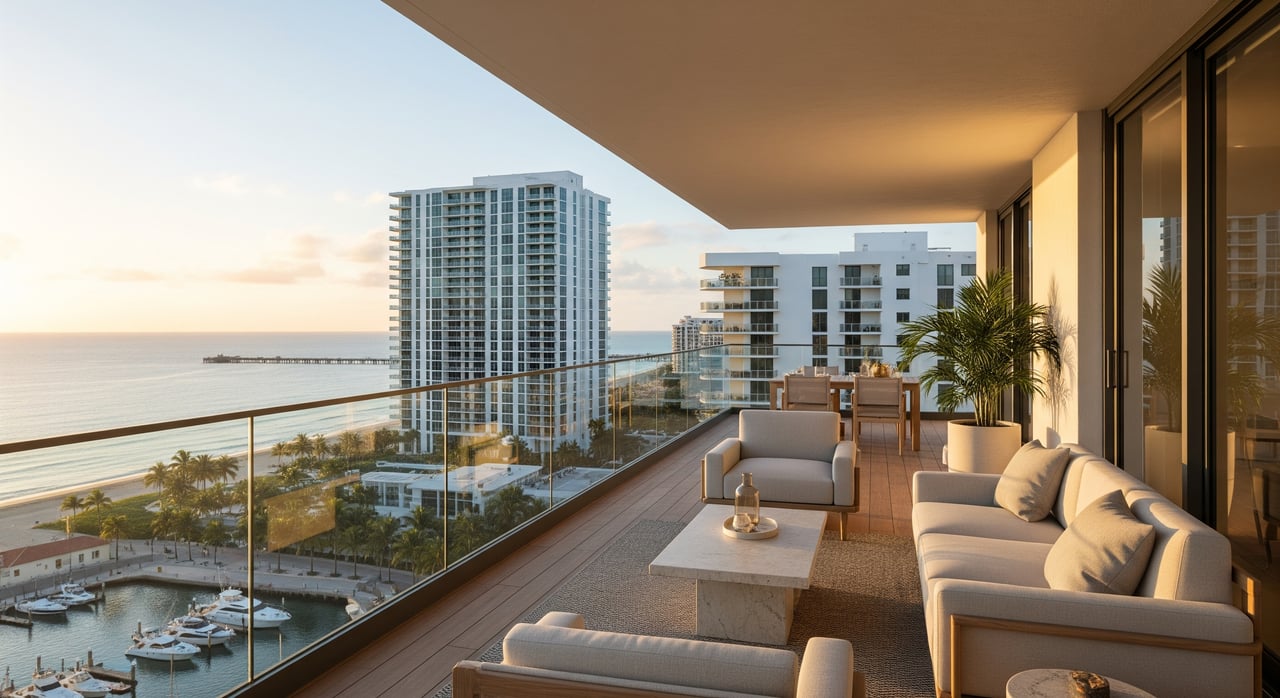
Torn between a sparkling new tower and a tried-and-true building on the beach? You are not alone. In Pompano Beach, both options can be smart moves, but they come with different costs, timelines, and risks. In this guide, you will learn how to compare new construction and resale condos using local factors that matter in Broward County. Let’s dive in.
How to compare condos in Pompano Beach
Buying on the coast adds a few layers beyond price and view. In Pompano Beach, flood exposure, insurance, and building safety standards can affect both your monthly costs and your long-term resale value.
Coastal and flood risk
Pompano Beach sits on low-lying coastal terrain. Confirm the exact flood zone for any building using FEMA Flood Insurance Rate Maps and ask for elevation details. In addition, review Broward County’s coastal resiliency planning to understand long-term projections that may influence insurance costs and future buyer demand.
Building safety and recertification
Florida condominium governance falls under Florida Statutes Chapter 718. After recent high-profile building failures, older multi-story condos across South Florida face more scrutiny and structural inspection requirements. Before you rely on an older building’s low fees, verify the property’s recertification status, recent engineering reports, and any pending structural work in Pompano Beach or Broward County.
Insurance costs and coverage
Coastal Broward often carries higher homeowner, windstorm, and flood premiums than inland areas. Ask for the association’s master insurance certificate, including wind and flood deductibles. Request a unit-level quote for your specific floor, line, and elevation. Insurers may scrutinize reserve levels and inspection history, so well-funded buildings can be easier to insure.
Short-term rental rules
Regulations for vacation and short-term rentals vary by municipality and can change. If rental income matters to you, confirm current Pompano Beach and Broward rules, as well as the condo’s governing documents. Many associations have minimum lease terms, registration steps, or occupancy caps.
New construction: what to expect
New towers in Pompano Beach bring modern layouts, current codes, and impressive amenities. They also require more patience and upfront planning.
Pricing and deposits
Developers typically set a base price, then add premiums for views and upgrades. Expect staged deposits tied to construction milestones and higher upfront cash than a resale. Some developers offer limited incentives on closing costs or upgrades depending on the project stage and market cycle.
Monthly fees and reserves
Early budgets in new buildings can look favorable because systems are new. Still, reserves in the first years may be lean. Review the initial budget, reserve funding plan, and the timeline for association turnover to owners. Reserves that are too low can lead to future fee increases or special assessments once warranties end and amenities require more maintenance.
Assessments and turnover
Special assessments are possible, especially during or after turnover from the developer to the owner board. Read the contract for developer obligations, funding of amenities, and contingency language. Ask how the association will address any punch-list items or common-area finish work that remains post-closing.
Delivery timeline and occupancy
Construction schedules can shift due to permits, weather, labor, or supply chain. Contracts should outline an estimated delivery date and the rules for delays. Some projects close in phases with temporary access while amenities finish. Delivery timeline is a key risk to plan for if you have a fixed move-in date.
Warranties and punch-list
Most new condos include limited warranties for workmanship and longer periods for major structural components. Confirm what is covered, for how long, and how to submit claims. Clarify the process and deadlines for your punch-list at walk-throughs.
Financing and appraisal
Financing a preconstruction condo can differ from a standard mortgage. Lenders may require larger down payments, limit loan amounts before project completion, or rely on specialty products until the building gains broader approval. Some conventional financing programs require condominium project eligibility, which may not be in place early on. Appraisals can adjust for a new construction premium, which can affect your loan-to-value at closing.
Insurance and exposure
Confirm what the condo association’s master policy covers versus what you must insure inside your unit. In coastal Broward, flood coverage is often required. Verify wind and flood deductibles for the building and obtain your own premium estimates before you commit.
Resale condos: what to expect
Resale units offer real operating history and a more predictable path to closing. You can see the finished building, review past assessments, and analyze actual fees.
Pricing and negotiation
Resale pricing reflects current comparable sales. You can negotiate based on inspection results, recent comps, and any known building projects or assessments. If seller timelines are flexible, you may also negotiate credits or repairs.
Fees, reserves, and assessments
You can review real budgets, recent audited financials, and the reserve study. A well-funded association may have more stable fees. Look through board minutes to see if capital projects, facade repairs, or elevator work are planned. Ask for a history of special assessments and whether any are pending or recently approved.
Closing speed and certainty
Most resale closings follow a standard title and escrow process. They are generally shorter and more predictable than preconstruction timelines. This can be important if you need immediate occupancy or if your financing is time-sensitive.
Financing options
Conventional loans, and sometimes FHA or VA loans, can be more straightforward if the building meets project standards. Check the building’s eligibility and owner-occupancy ratio, since some lenders consider these metrics when approving loans in condos.
Insurance and building condition
Insurance carriers may ask about the building’s inspection history, reserves, and claim record. Order a full condo inspection and, when relevant, request service records for elevators, HVAC systems, and the pool. Buildings with sound maintenance and reserves tend to be easier to insure and resell.
Which option fits your goals
The best choice depends on your timeline, financing, and risk tolerance.
- You may prefer new construction if you want brand-new systems, modern amenities, and warranties, and if you can handle staged deposits and timeline shifts.
- You may prefer a resale if you want faster, more predictable closings, established fee history, and easier access to conventional, FHA, or VA financing.
Total cost of ownership: a 5 to 10 year view
Look beyond the sticker price. Compare the following over your expected hold period:
- Monthly condo fees and how they are likely to change as the building ages.
- Reserve funding levels and the age of major systems that could need replacement.
- Insurance premiums and deductibles for wind and flood.
- Potential for special assessments tied to capital projects or turnover.
- Financing costs at closing and any lender requirements for the building.
- Resale drivers such as supply of similar units, building governance, and maintenance quality.
Due diligence checklist for Pompano Beach condos
Use this checklist for both new and resale buildings. Ask for documents in writing and review them with your advisor.
Building documents for any condo
- Declaration, bylaws, articles, house rules, and amendments
- Current budget, year-to-date financials, latest reserve study, and recent audited financials or CPA review
- Master insurance certificate with coverages and deductibles
- Board meeting minutes for the past 12 to 24 months
- Pending litigation disclosures and any settlement history
- Owner occupancy and rental ratios
- Notices of recent owner votes or special assessments
New construction specifics
- Purchase contract with deposit schedule, delivery date, remedies, and cancellation rights
- Construction permits, certificates of occupancy or projected schedule, and phase plan
- Developer disclosures for liens, construction lender, and completion guarantees
- Warranty documents and punch-list procedures
- Amenity plan, completion timeline, and funding plan
Resale specifics
- Seller disclosures, prior inspection reports, and repair invoices for major systems
- History of special assessments and reserve contribution schedule
Insurance and hazard checks
- Master policy details, wind and flood deductibles, and claim history if available
- Elevation certificate if available, FEMA flood zone confirmation, and a sample flood quote
Financing verification
- Building eligibility for conventional, FHA, VA, or other loan programs
- Active lenders in a preconstruction project and typical down payment requirements
Physical and site checks
- Building age, last major renovation, and recent capital projects
- Elevator condition and maintenance logs
- Common HVAC and plumbing system age and service records
- Parking and storage allocations, deeded versus assigned spaces, and related rules
Red flags to investigate further
- Multiple or large pending assessments
- Low reserves relative to the reserve study
- Ongoing litigation involving the association or developer
- Budgets that rely on unrealistic assumptions or one-time subsidies
- High rental proportions if your lender requires certain owner-occupancy levels
Practical negotiation tips
- New construction: read the fine print. Clarify deposit refundability, delay remedies, the developer’s right to modify plans, arbitration, and assignment provisions. Confirm who pays for final building finish-outs and what happens if amenities deliver later than units.
- Resale: base your offer on facts. Leverage inspection results, comparable sales, and any known upcoming projects or assessments. Ask for credits or repairs where appropriate.
Next steps for your search
- Clarify your timeline, budget, and financing path.
- Shortlist buildings that match your lifestyle and evaluate their documents early.
- Request insurance quotes before you commit.
- Plan for a full inspection, and consider an attorney familiar with Florida condominium contracts for document review.
- If you are buying from out of state or abroad, line up remote closing and coordination support.
When you are ready, connect for a personalized, building-by-building comparison and document review support. You will get clear guidance tailored to your lifestyle, timeline, and risk tolerance, plus seamless coordination if you are buying remotely. Reach out to Donna Zalter, PA MBA to start your Pompano Beach condo plan today.
FAQs
What are the biggest cost differences between new and resale condos in Pompano Beach?
- New builds can have higher upfront deposits and evolving fees as reserves grow, while resales offer known fee history but may carry assessments tied to aging systems.
How long does a preconstruction Pompano Beach condo take from contract to closing?
- Timelines are estimates and can shift for permits, weather, labor, or supply chain, so plan for flexibility and confirm delay provisions and remedies in your contract.
How can I reduce the risk of special assessments in a Broward condo?
- Review the reserve study, audited financials, board minutes, and planned projects, and verify the building’s inspection and recertification status before you commit.
Can I use my Pompano Beach condo for short-term rentals?
- Rules vary by city and by building, so confirm current municipal regulations and the condo’s governing documents, including any minimum lease terms and registration steps.
What warranties do new construction condos typically include in Florida?
- Most include limited workmanship coverage and longer structural coverage; read warranty documents for terms, exclusions, and the process for punch-list and defect claims.
What financing hurdles should I expect with new condo projects?
- Some lenders require larger down payments, project eligibility, or alternative loan structures until completion, and appraisals may reflect a new construction premium.