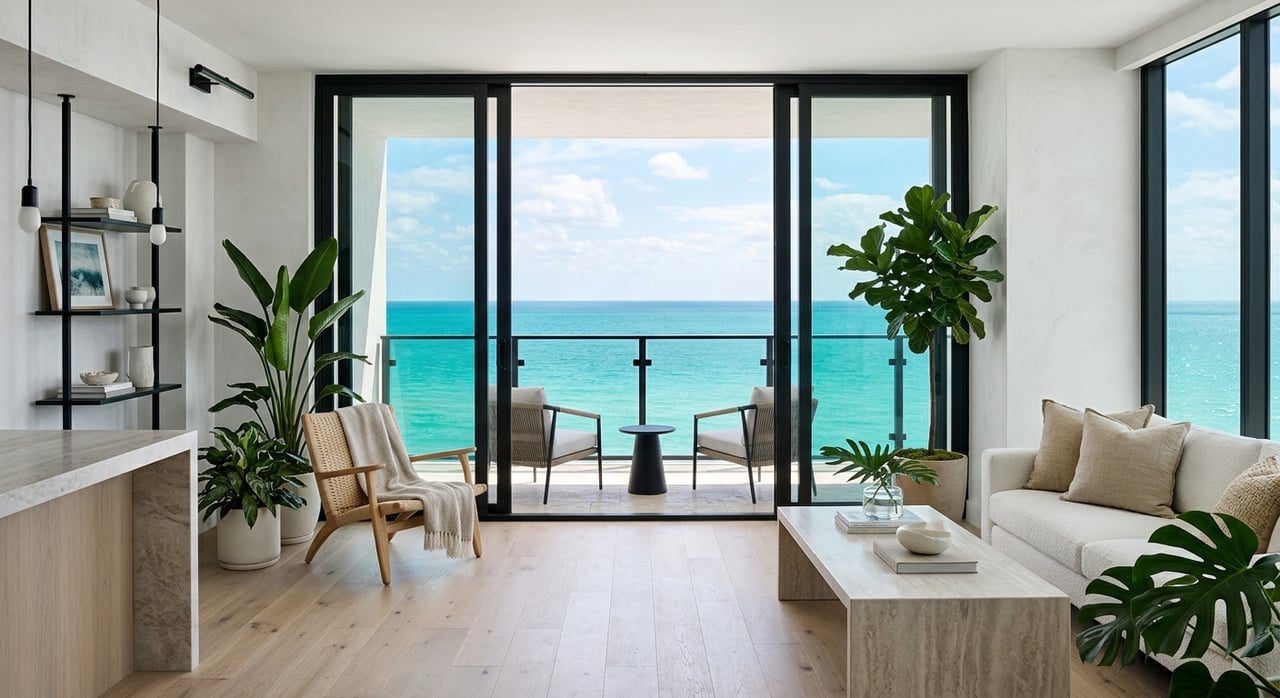
Trying to choose between an oceanfront condo and a bayfront condo in Miami Beach? At first glance, both offer waterfront living, beautiful views, and that signature Miami Beach lifestyle. But once you look closer, the differences can affect your day-to-day experience, your ownership costs, and even how well a property fits your long-term goals. If you want to make a smart decision, it helps to compare more than just the view. Let’s dive in.
Oceanfront vs Bayfront Basics
Miami Beach sits on a barrier island between the Atlantic Ocean and Biscayne Bay. In simple terms, oceanfront usually means the east side of the island facing the Atlantic, while bayfront usually means the west side facing Biscayne Bay.
That geography shapes almost everything about condo living in Miami Beach. The ocean side is closely tied to beach access and public recreation, while the bay side is more connected to boating, marinas, and managed waterways.
What Oceanfront Living Feels Like
For many buyers, oceanfront living is all about direct access to Miami Beach’s seven-mile beach system. The city manages the beaches with lifeguards, swim buoys, and flag warnings, which makes the ocean side feel active, visible, and centered around beach use.
If you picture stepping out and heading straight to the sand, oceanfront is often the clearest match. It tends to appeal to buyers who want daily beach walks, surf views, and a lifestyle that revolves around the shoreline.
Oceanfront Pros
- Direct access to the beach
- Strong connection to outdoor recreation on the sand and in the surf
- Big, open Atlantic views
- A classic Miami Beach waterfront experience
Oceanfront Tradeoffs
- More direct exposure to salt, wind, and weather
- A more public-facing setting in many areas
- Buildings near beach access points may feel busier day to day
Miami Beach attracts about 6 million visitors a year, and the beach is one of the city’s defining public assets. That helps explain why some oceanfront locations can feel more energetic and activity-heavy than other waterfront settings.
What Bayfront Living Feels Like
Bayfront condos usually offer a different kind of waterfront experience. Biscayne Bay surrounds and separates Miami Beach from the mainland, and bay-side living is often more closely linked to boating access, marina activity, and waterway use.
For buyers who want to keep a boat nearby or enjoy a more marine-oriented lifestyle, bayfront can be especially appealing. Miami Beach’s bay-side infrastructure includes the Maurice Gibb boat ramp, a water taxi connection between Maurice Gibb and Venetian Marina and Sea Isle Marina, and Marine Patrol oversight on the waterways.
Bayfront Pros
- Better fit for boating-oriented buyers
- Closer connection to ramps, marinas, and bay navigation
- A more sheltered water setting than the open ocean, in general
- Often a different pace and feel than the beach side
Bayfront Tradeoffs
- No direct beach access from the property itself in most cases
- Lifestyle may center more on boating than on sand-and-surf use
- Flood and insurance review is still essential, even without direct ocean frontage
Bayfront is often the better match if your idea of waterfront living includes docking, marina convenience, or enjoying the bay as part of your routine.
Beach Access vs Boating Access
If you want the cleanest way to compare the two, start here: oceanfront is usually about beach access, while bayfront is usually about boating access.
That does not mean every buyer fits neatly into one category. Some people love the ocean view but rarely use the sand, while others want water views without the wind and salt exposure that come with open-ocean frontage.
Still, this tradeoff matters. If you know how you actually want to spend your time in Miami Beach, your decision often becomes much easier.
Noise, Privacy, and Daily Atmosphere
Another major difference is how each side can feel on a typical day. Because the beach is a major public asset and visitor draw, oceanfront buildings near public beach access points can feel busier.
That does not mean bayfront is always quiet or oceanfront is always noisy. It means the ocean side often has a more public-facing energy, while the bay side can feel more removed from beach traffic. Miami Beach also enforces a noise ordinance through a complaint-driven Code Compliance process to protect residential quality of life.
For many buyers, this comes down to personal preference. Some want the buzz and visibility of the ocean side, while others prefer a setting that feels a bit more tucked away.
Flood Risk Matters on Both Sides
One of the biggest mistakes buyers make is assuming bayfront is automatically lower risk than oceanfront. In Miami Beach, that is not a safe assumption.
The city says 93% of properties are in a FEMA Special Flood Hazard Area. Miami-Dade also notes that Zone VE is a coastal high-risk zone with added hazards associated with storm waves, and flood insurance is required for any federally backed mortgage in a Special Flood Hazard Area.
Miami Beach is flat and low-lying in many places, with high groundwater, porous limestone, and tidally influenced outfalls. That means you should evaluate flood zone, elevation, and insurance details building by building, not just by which side of the island a condo sits on.
What to Review Before You Buy
- The building’s flood zone
- Elevation information and any available elevation certificate
- Current insurance requirements and costs
- How the building addresses resilience and code compliance
- Any building-specific disclosures related to water intrusion or flood exposure
This is one of the most important parts of the buying process, especially for second-home and out-of-state buyers who may not know how broad Miami Beach flood exposure can be.
Salt Exposure and Maintenance Differences
Waterfront ownership always comes with maintenance considerations, but the type of exposure can vary. FEMA’s coastal construction guidance says salt spray from breaking waves and onshore winds can significantly accelerate corrosion, and oceanfront or nearshore buildings may be more severely affected than buildings farther inland.
In practical terms, oceanfront condos often have more direct exposure to salt, wind, and weathering than bayfront condos. That does not mean bayfront is maintenance-free. It means oceanfront buyers should pay especially close attention to exterior condition, building upkeep, and the overall maintenance profile of the property.
Questions to Ask About Maintenance
- What major exterior work has the building completed recently?
- How does the association plan for ongoing maintenance?
- Are there known issues related to corrosion or weather exposure?
- What do the condo documents show about reserves and repair history?
For luxury condo buyers, these details matter just as much as finishes, views, and amenities.
Seasonal Use and Rental Rules
If you are buying a second home, planning future leasing, or thinking about part-time use, rental rules deserve careful review. In Miami Beach, vacation and short-term rentals are prohibited in all single-family homes and in many multifamily buildings in certain zoning districts.
Where short-term rentals are allowed, approved rentals require a Business Tax Receipt and a Resort Tax account. The city also maintains a list and map of apartment buildings authorized for short-term rental use.
The key takeaway is simple: do not assume seasonal rental flexibility based on location or building style alone. In Miami Beach, the condo association rules and zoning status can matter as much as the waterfront setting.
Which Condo Type Fits Your Goals?
The best choice depends on how you want to live, not just what looks best in photos. Oceanfront and bayfront condos both offer strong lifestyle appeal, but they serve different priorities.
Oceanfront May Fit You Best If You Want:
- Direct beach access
- A beach-centered daily routine
- Open Atlantic views
- A more active, public-facing waterfront setting
Bayfront May Fit You Best If You Want:
- Better alignment with boating and marina access
- A more sheltered waterfront setting
- A lifestyle centered on the bay and waterways
- Separation from the beach-side activity level found in some oceanfront areas
In many cases, this decision is really a bundle of tradeoffs: beach access versus boating access, public energy versus relative shelter, and greater ocean exposure versus typically calmer bay-side conditions.
How to Compare Buildings Smartly
Once you know whether oceanfront or bayfront better matches your lifestyle, the next step is narrowing your search building by building. Two condos on the same side of Miami Beach can still differ in flood profile, rental rules, maintenance history, and day-to-day atmosphere.
A smart comparison should include:
- Location on the island
- Building exposure and condition
- Flood zone and insurance profile
- Condo association rules
- Rental and zoning status
- Access to the activities you care about most
That kind of detailed review can save you time, reduce surprises, and help you buy with more confidence.
If you want expert guidance comparing Miami Beach waterfront condos, Donna Zalter, PA MBA offers a polished, highly personalized approach for local, second-home, and international buyers who want clear advice and seamless support.
FAQs
Is oceanfront or bayfront better for boating in Miami Beach?
- Bayfront is usually the better fit for boating because Miami Beach’s bay-side infrastructure includes the Maurice Gibb boat ramp, marina connections, water taxi access, and active waterway oversight.
Is a bayfront condo in Miami Beach safer from flood risk than an oceanfront condo?
- No. Miami Beach has broad flood exposure, so you should review flood zone, elevation, and insurance details for the specific building rather than assume the bay side is lower risk.
Do oceanfront condos in Miami Beach usually need more maintenance?
- They often have more direct exposure to salt spray, wind, and weathering, which can make exterior components more maintenance-sensitive than in some bayfront settings.
Can you rent out a Miami Beach oceanfront or bayfront condo seasonally?
- Only if the building and zoning allow it. Miami Beach short-term rental rules are highly specific, so you need to verify both the property’s zoning status and the condo association rules.
Which condo type in Miami Beach offers direct beach access?
- Oceanfront condos are usually the better option if direct access to the sand and surf is one of your top priorities.