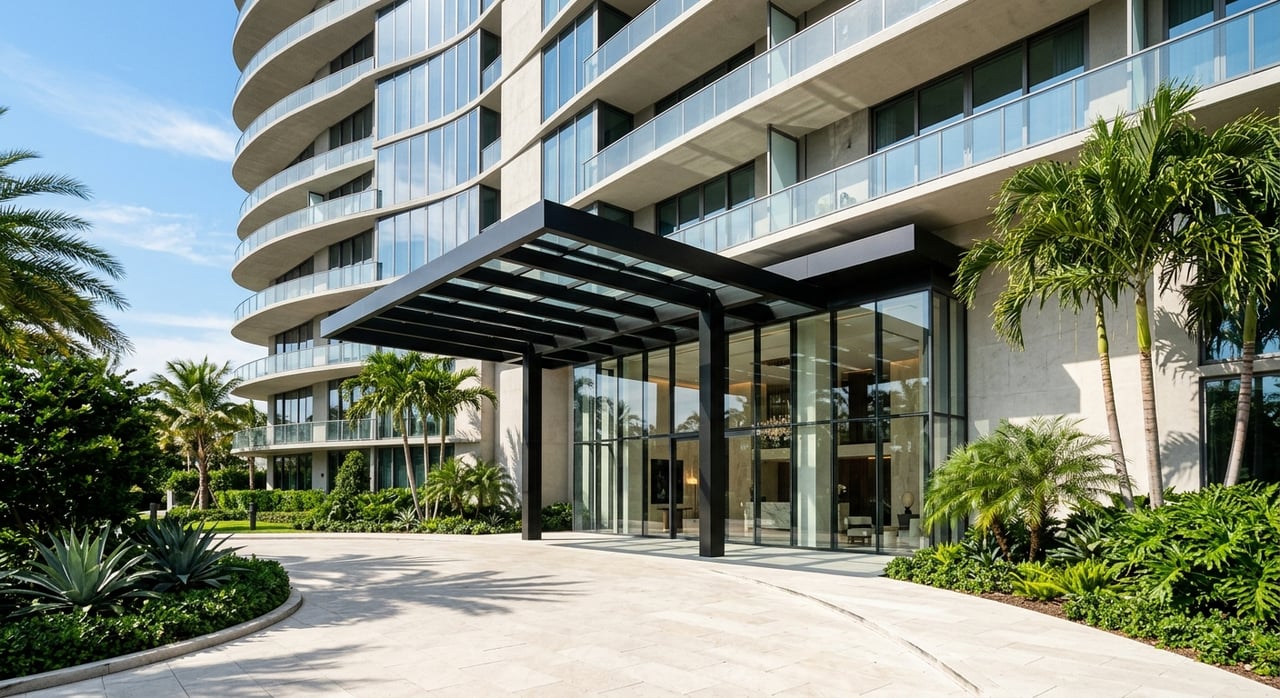
Choosing between downtown and beachside Boca Raton condo living is really about choosing your daily rhythm. You may be drawn to walkable dining and events, or you may picture mornings by the water and easy access to the sand. If you are weighing both lifestyles, this guide will help you compare how each area feels, what amenities tend to come with each setting, and what practical details matter before you buy. Let’s dive in.
Downtown Boca Raton at a Glance
Downtown Boca Raton is the city’s mixed-use core, centered around a 344-acre Community Redevelopment Agency district. It is shaped by city planning around land use, transportation, and parking, which is part of why it feels more urban and connected than resort-like.
This area is known for its concentration of dining, entertainment, and public programming. Downtown Boca features more than 100 restaurants, along with year-round events, outdoor concerts, comedy shows, museums, and fitness-oriented public spaces.
Mizner Park helps define the downtown experience. It is open from sunrise to 2 a.m., is lit at night, and includes walking paths, an amphitheater, and parking garages, which supports a lifestyle that can stay active well into the evening.
Beachside Boca Raton at a Glance
Beachside Boca Raton centers on the city’s two-mile stretch of lifeguarded shoreline and its three beach parks: Spanish River Park, Red Reef Park, and South Beach Park. The focus here is less about a dense dining grid and more about ocean access, outdoor recreation, and day-to-day waterfront living.
The city’s beach parks highlight activities like kayaking, snorkeling, walking trails, boardwalk access, and time on the sand. Spanish River Park also offers a kayak launch, outdoor fitness equipment, volleyball, and trails, while Red Reef emphasizes boardwalk access and an expanded snorkeling trail with artificial reefs offshore.
Spanish River Park beach currently holds the 2026–2027 Blue Flag Beach Award. That designation reflects standards tied to environmental management, water quality, safety, and services.
Daily Life: Urban Energy vs Coastal Routine
If you enjoy being able to step outside and walk to dinner, events, or entertainment, downtown Boca will usually feel like the easier fit. The area’s restaurant density, nightlife, and year-round programming support a lifestyle built around convenience and variety.
If your ideal day starts with a beach walk, paddle launch, or snorkeling session, beachside Boca offers a very different rhythm. Life here tends to revolve around outdoor recreation, ocean views, and access to park spaces that make it easy to spend time by the water.
That said, the line between the two areas is not quite as stark as it once was. BocaConnect now serves downtown, the Brightline station area, and part of the barrier island, giving residents more first-mile and last-mile mobility for both downtown and beach trips.
Condo Amenities: What You’re More Likely to Find
The amenity mix often reflects the lifestyle of each area. In downtown Boca, luxury condo buildings commonly lean into service, wellness, and convenience.
A representative example is ALINA, which offers 24/7 staffed lobbies, valet, security, enclosed parking with EV charging, concierge services, spa and wellness spaces, rooftop pools, meditation gardens, club rooms, screening rooms, private dining, and business or conference space. Private terraces and indoor-outdoor living are also a strong part of the appeal.
In practical terms, downtown luxury condos often support a car-light, service-forward lifestyle. You are more likely to see features that mirror hotel-style convenience rather than direct access to the beach.
Beachside condo living tends to prioritize waterfront recreation and view-driven living. A representative example is Chalfonte, which sits directly on the sand with the ocean to the east and Lake Boca Raton to the west.
Its amenities include private beach access with chairs and lounges, oceanfront pools and hot tubs, a private marina and boat docks, tennis courts, fitness centers, social rooms, a guest apartment, and covered or assigned parking. In beachside buildings, the appeal often centers on direct sand access, boating, and water-focused recreation.
Parking and Getting Around
Parking is one of the clearest day-to-day differences between downtown and beachside Boca. Downtown parking is more structured around garages, city lots, and metered spaces.
Mizner Park offers free garage parking, and select city lots are also free. Metered parking is common at $2 per hour, which can make quick errands or dinner outings fairly straightforward.
Beach parking works differently and can be more specific. Public beach access parking depends on residency and permit eligibility, so buyers considering beachside condo living should understand those rules early.
According to the city, a Boca Raton address does not automatically mean City of Boca Raton residency. Annual permit access differs by residency category, and that can affect which beach parks you can access for parking.
Beach Permits Matter for Beachside Buyers
If you are shopping for a condo near the beach, parking access is more than a small detail. It can affect how easy your day-to-day beach routine actually feels.
The city lists an annual resident vehicle permit at $85 for City of Boca Raton and Greater Boca Raton Beach and Park District residents, with access to Spanish River, Red Reef, South Beach, and Mizner Bark. Palm Beach County residents can purchase a $102 permit for South Beach only.
For daily access, class 1 beach entry fees are listed at $35 on weekdays and $50 on weekends and holidays. For many buyers, especially second-home owners, this is an important part of understanding the full lifestyle picture before committing to a beachside building.
Beach Park Hours Shape the Lifestyle
Another practical point is that Boca’s beach parks are largely day-use oriented. That matters because it shapes how the public beach experience feels, even if you live nearby.
South Beach Park closes at sunset, and Red Reef Park is open from 8 a.m. to 10 p.m. The city also notes that beach facilities emphasize day use over overnight stays, with no camping at South Beach and Spanish River, along with other park-specific restrictions.
For condo buyers, this means beachside living offers exceptional daytime access to the coast, but it does not function like a private resort district with unrestricted public beach use around the clock. The routine is still defined by city park operations and access rules.
Long-Term Ownership Questions to Ask
Whether you prefer downtown or beachside, condo due diligence is essential in Florida. Before buying, you should ask the association for key building and financial information that may affect both your risk and your future costs.
Under Florida law, buildings that are three habitable stories or more are subject to milestone inspections at age 30 and every 10 years after that. The state also notes that structural integrity reserve studies are separate requirements for relevant associations.
For buyers, that makes it important to request inspection records and reserve information early in the process. This is especially true if you are comparing older waterfront buildings with newer luxury towers and want a clear picture of long-term ownership obligations.
Which Boca Condo Lifestyle Fits You Best?
Downtown Boca Raton usually makes the most sense if you want walkability, dining, nightlife, and a mixed-use setting with service-rich condo amenities. It is often a natural fit for buyers who value convenience, evening activity, and a more urban feel.
Beachside Boca Raton usually makes the most sense if you want direct ocean or Intracoastal access, outdoor recreation, and a waterfront routine built around the sand and water. It often appeals to buyers who prioritize views, boating, and a more resort-like environment.
Neither option is better across the board. The smarter choice is the one that matches how you actually want to live, travel, park, and spend your time once you own the condo.
If you are comparing luxury condo lifestyles in South Florida and want a tailored, detail-driven approach, Donna Zalter, PA MBA can help you evaluate the right fit with clear guidance and responsive support.
FAQs
What is the main difference between downtown and beachside Boca Raton condo living?
- Downtown Boca Raton is centered on walkability, dining, events, and mixed-use convenience, while beachside Boca Raton is centered on ocean access, waterfront recreation, and time at the city’s beach parks.
What amenities are common in downtown Boca Raton condos?
- Downtown luxury condos often emphasize staffed lobbies, valet, concierge services, wellness spaces, rooftop pools, enclosed parking, club rooms, and private terraces.
What amenities are common in beachside Boca Raton condos?
- Beachside condos often focus on private beach access, oceanfront pools, marina or dock access, tennis, fitness centers, social spaces, and view-oriented living.
Do beach parking permits matter when buying a beachside Boca Raton condo?
- Yes. The city states that residency affects permit eligibility and beach parking access, so buyers should verify which permits and parks apply to their specific address.
Is downtown Boca Raton easier for parking and errands?
- In many cases, yes. Downtown includes free garage parking at Mizner Park, some free city lots, and metered parking at $2 per hour, which can be simpler for everyday outings.
What condo due diligence should buyers do in Boca Raton?
- Buyers should request association inspection records, reserve information, and details related to Florida milestone inspection and structural reserve requirements before choosing a building.