Craving an urban lifestyle by the water where dinner, concerts and errands are all a short walk away? Downtown Fort Lauderdale delivers a true city feel with the bonus of waterfront parks and quick airport access. If you are weighing a move or an investment, you want clear answers on walkability, transit, amenities, costs, rental rules and climate risks. This guide breaks down what downtown condo living really looks like so you can decide with confidence. Let’s dive in.
Where downtown puts you
Walkability and daily life
Downtown Fort Lauderdale, including Flagler Village, Riverwalk and the Las Olas corridor, is one of the city’s most walkable areas. Central blocks often post Walk Scores in the high 80s to 90s, and some spots reach the high 90s. You can verify local scores and building-by-building walkability on Walk Score’s Fort Lauderdale pages.
From many central towers, it is about 5 to 12 minutes on foot to Huizenga Plaza, the Riverwalk and Las Olas dining. The Riverwalk district ties culture, parks and restaurants to the New River, so evenings out can be easy without a car.
Brightline and airports
If you travel for work or play, the Brightline Fort Lauderdale station sits in the downtown core and is promoted as being within walking distance of top destinations. Brightline also operates airport connector shuttles, which can simplify trips to FLL and MIA. Check Brightline schedules and shuttle details before you go, since they change seasonally.
For flights, Broward County planning documents place Fort Lauderdale–Hollywood International Airport at roughly 3 miles from downtown, often a 10 to 15 minute drive in typical non-peak traffic. You can see that proximity in the county’s FLL master plan materials. This closeness is a real perk if you fly often.
Local transit and water routes
The city operates LauderGO micro-mobility routes that help you get around downtown and to Las Olas and the beach without moving your car. Review current routes on the City’s LauderGO mobility page. On the water, the paid Fort Lauderdale Water Taxi and the free Riverwalk Water Trolley connect neighborhoods across the New River and to Intracoastal stops. Locals use them to bypass traffic for dinners, events and weekend outings.
Buildings, views and amenities
Towers, mid-rises and views
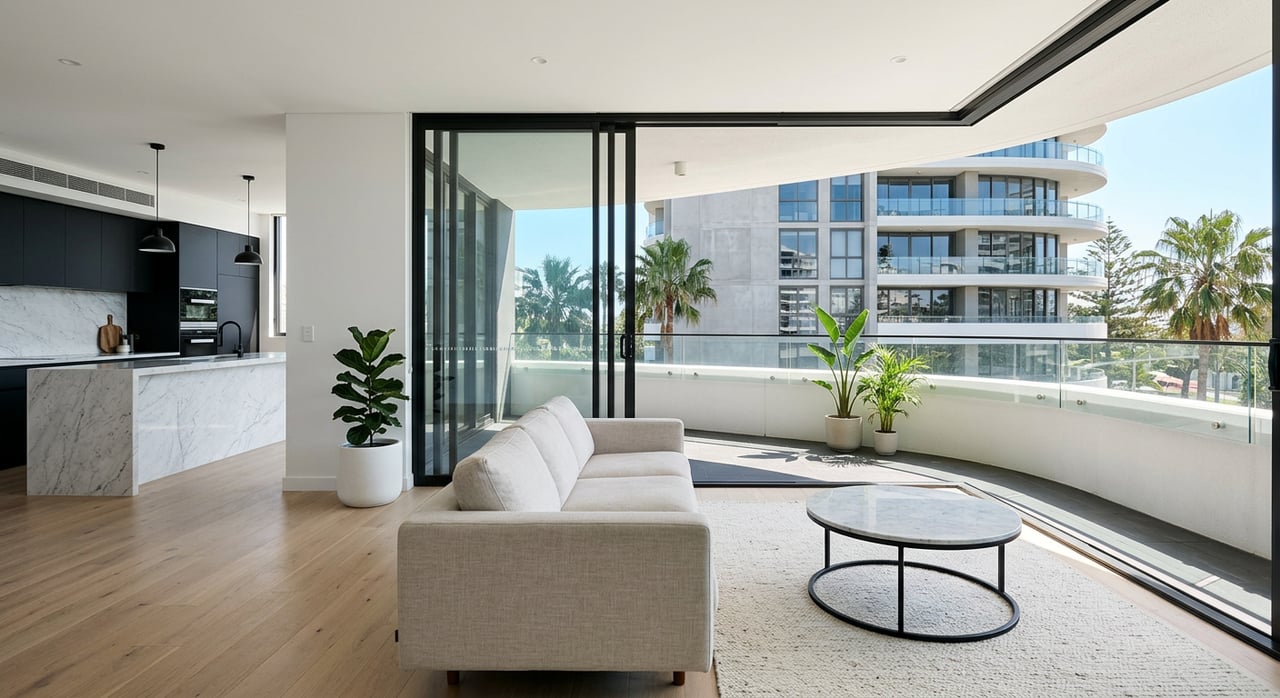
You will find a mix of glassy high-rises near the New River and Intracoastal plus mid-rise buildings and loft-style options closer to Flagler Village and Himmarshee. Higher floors near the river can offer skyline, river and Intracoastal views, with ocean glimpses from taller floors. Mid-rises trade panoramic views for a more neighborhood feel and often a lower HOA.
Common amenities
Downtown condo buildings frequently include:
- Secured lobby with concierge or doorman
- Fitness center and resort-style pool
- Residents’ lounge and business center
- Covered or assigned parking, sometimes valet
- Storage lockers and guest parking
- On-site management and elevator access
Luxury towers may add spa facilities, private dining rooms, movie rooms and even private marina slips or partnerships with nearby marinas. Always review each building’s HOA budget to see which services and utilities are included in dues.
Practical lifestyle notes
- Boating: Downtown fronts the New River, and several nearby marinas support small boats and yachts. The Water Taxi and riverfront docks make it easy to enjoy the water without a long drive.
- Nightlife: Living near Las Olas and Riverwalk means more energy and events. If you are noise sensitive, consider floor height and unit orientation, and visit the area in the evening and on weekends before you decide.
What it costs right now
As a starting point, Realtor.com’s Downtown Fort Lauderdale overview reported a median listing price near 807,500 dollars and a median rent around 3,100 to 3,200 dollars per month as of January 2026. Neighborhood medians vary by block and zip code, with 33301 often higher. You can review the latest neighborhood snapshot on Realtor.com, and always confirm current numbers in the MLS at the time you shop.
Prices change. Check the latest MLS for up-to-the-minute figures before you make offers.
HOA fees and assessments
Monthly dues depend on amenities, staffing and reserves. Concierge, security, valet, pools and on-site gyms tend to raise monthly costs. Older buildings with small reserves may levy special assessments for repairs or compliance projects. Before you bid, request the most recent budget, reserve study and meeting minutes, and ask what utilities or services are included in dues.
Insurance, flood and wind
Downtown parcels can show meaningful flood and wind exposure in listing tools that pull in Flood Factor or First Street Foundation data. Those tools are a helpful starting point, but they do not always match federal FEMA maps. A quick consumer explainer on map differences is available here: FEMA flood maps versus new mapping reports.
Local governments are investing in resilience, including stormwater upgrades, pump stations and tidal valves. You can see current funding priorities in Broward County’s adopted capital budget. These projects help reduce nuisance flooding but do not remove all risk, so insurance and unit elevation still matter.
Quick flood and insurance checklist
- Ask the seller for a recent Elevation Certificate.
- Confirm the property’s FEMA flood zone and any history of flood or wind claims.
- Get independent quotes for windstorm and flood coverage to estimate annual premiums.
- Verify impact-rated windows and doors, building generator details and what the master policy covers for balconies and openings.
Who downtown living suits
Remote professionals
If you work from home and value short walks to coffee, gyms and dinner, downtown simplifies your day. Tradeoffs: you may pay higher HOA dues for amenities and staffing, and you should check evening street noise before committing.
Frequent travelers
If you fly often or need easy Miami-West Palm connections, the Brightline station downtown and the quick drive to FLL are major advantages. Tradeoffs: choose a building with strong management for packages and deliveries, and confirm parking and guest access rules for visiting clients or family.
Dining and culture enthusiasts
You can live steps from Riverwalk events, the Broward Center for the Performing Arts and Las Olas restaurants. Tradeoffs: event nights can get busy, so consider unit orientation and garage access to minimize delays.
Boaters and weekend sailors
With river access, marina options and the Water Taxi, you can enjoy the water without the logistics of trailering. Tradeoffs: waterfront proximity can influence insurance and assessments, and some marina offerings have waitlists.
Buyer checklist for downtown condos
Use this list to focus your due diligence and avoid surprises:
- Market check: Confirm current median price and days on market using the MLS or the latest Realtor.com neighborhood overview.
- Association health: Request the latest budget, reserve study, board minutes and any notices of special assessment. Verify which utilities and services are included in dues.
- Insurance and risk: Ask for the Elevation Certificate, FEMA flood-zone designation and any recent claims. Get independent wind and flood quotes before you finalize your budget.
- Building protections: Confirm impact windows and doors, shutters if applicable, generator capacity and what the master policy covers.
- Parking and storage: Verify assigned spaces, guest parking rules and storage lockers.
- Rental rules: Review lease minimums and whether the association allows or restricts short-term rentals. If you plan vacation rentals, the City of Fort Lauderdale requires registration and inspections under its Vacation Rental Registration Program.
- Mobility musts: If Brightline or airport shuttles are part of your routine, verify current Brightline station details and shuttle operations. For car-light living, check LauderGO routes and Water Taxi stops.
Selling a downtown condo
Downtown buyers expect clarity on HOA health, reserves, insurance and flood mitigation. You can position your condo to stand out by preparing association documents, recent capital updates and a clean flood and wind narrative upfront. If your unit would benefit from light updates or staging, Compass Concierge can help you complete select improvements and launch with polished marketing, which can increase exposure and help optimize price. If you will not be in town, choose a team that can manage logistics, showings and a remote closing so the process stays simple for you.
Ready to explore downtown condo options or discuss a sale strategy tailored to your building and timeline? Connect with Donna Zalter, PA MBA for a personalized plan.
FAQs
Is a car necessary to live in downtown Fort Lauderdale?
- Many residents do not use a car for daily errands thanks to high walkability, LauderGO routes and the Riverwalk Water Trolley, with rideshare or occasional rentals filling gaps.
How close is downtown to Fort Lauderdale airport?
- Broward County places FLL about 3 miles from downtown, often a 10 to 15 minute drive in typical non-peak traffic based on county planning documents.
What are typical HOA fees for downtown condos?
- Dues vary by building and amenities; concierge, security, valet and full-service gyms increase costs, so review each building’s current budget and reserve study before you buy.
Are short-term rentals allowed in downtown buildings?
- Rules are building specific, and the City requires registration and inspections for vacation rentals under its Vacation Rental Registration Program, with penalties for noncompliance.
How do I check flood risk for a specific condo?
- Start with listing risk indicators and the seller’s Elevation Certificate, compare FEMA flood maps with other tools, and get insurance quotes to understand premiums and coverage.
What is the rental market like for downtown condos?
- Realtor.com’s latest snapshot showed median rents around 3,100 to 3,200 dollars per month for Downtown Fort Lauderdale as of January 2026; verify current figures before you lease.