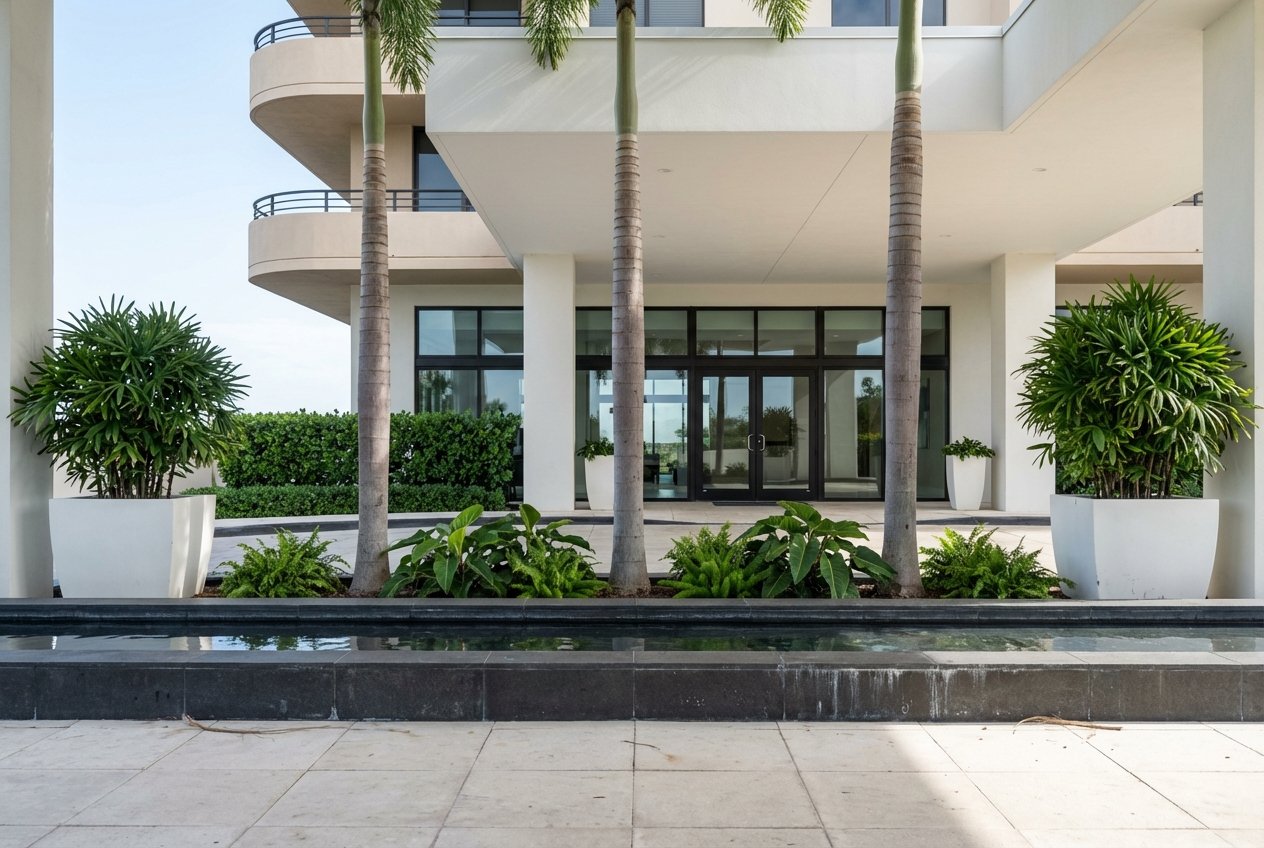
Dreaming of a sunny home base you can lock, leave, and love coming back to each season? A Boca Raton condo can be a great fit, but today’s rules and building requirements mean you want a clear plan before you buy. If you will split your time between markets, you need to understand financing for second homes, HOA rental rules, Florida’s new condo safety and reserve laws, and insurance details that affect cost and convenience.
As of February 22, 2026, Florida’s condo landscape has shifted in ways that directly impact your decision. In this guide, you will learn what to verify, how to compare buildings, and the steps that help you close with confidence. Let’s dive in.
Why Boca Raton works for second homes
Boca Raton offers a mix of oceanfront living, walkable downtown options near dining and culture, and inland communities with a calmer, residential feel. Many buildings are designed for part-time owners, with services that make coming and going easier. You also have quick access to regional airports and major roadways for simple arrivals and departures.
Your decision often comes down to the lifestyle you want and the services you value. If you prefer a simple, low-maintenance setup, look for buildings with on-site management, controlled access, and clear storm procedures. These features reduce stress when you are away.
What changed in Florida condos
Florida enacted stronger life-safety and reserve funding rules after the Surfside tragedy. The key changes include milestone structural inspections on a schedule tied to building age and location, plus required structural integrity reserve studies for many associations. These rules can reveal deferred maintenance and can lead to special assessments if work is needed.
What this means for you:
- Older coastal buildings may face near-term inspection work and assessments.
- Newer buildings may have fewer immediate structural risks, but you should still confirm reserve planning and inspection timelines.
- Always request the building’s latest inspection reports, milestone status, and reserve study before you make an offer.
Financing a second-home condo
Financing a second home is not the same as financing a primary residence or an investment property. Lenders classify occupancy, and that classification affects pricing and approval. To qualify as a second home, you must intend to use the unit yourself for part of the year and maintain exclusive control. If the plan is frequent rental, many lenders treat that as an investment property.
Condo-project eligibility also matters. Many lenders rely on Fannie Mae’s frameworks to determine if a project is “warrantable.” If a building is not eligible under those standards, your financing options may narrow and down payment or rate requirements can be less favorable.
What to expect and prepare:
- Credit and reserves: Second-home loans often require strong credit and documented cash reserves beyond your down payment.
- Foreign-national loans: Programs exist but often require larger down payments and added documentation. Many international buyers either work with specialty lenders or pay cash.
- Project eligibility: Ask early about the building’s approval status for conventional, FHA, or VA financing, or whether portfolio loans are common.
Practical pre-loan checklist:
- Confirm the condo project’s eligibility with your lender.
- Gather two years of tax returns, recent bank statements, and proof of funds.
- If you are a nonresident buyer, be ready with passport documentation and overseas banking statements. Start ITIN or EIN setup early if you plan to file U.S. returns.
Understand rental rules first
Short-term rental rules sit at three levels: state, city, and HOA. In Florida, state licensing applies to vacation rentals that meet certain frequency and stay-length thresholds. At the same time, cities set zoning rules and enforcement practices. Many associations also set their own lease minimums or caps.
Boca Raton has a history of strict enforcement in many residential zones. Do not assume you can run short-term rentals or rely on that income to offset carrying costs. Before you buy, check both the City of Boca Raton code and the building’s governing documents to confirm what is allowed.
Key points to verify:
- State licensing triggers and safety rules if you plan to rent short term.
- City zoning and enforcement for transient use in your chosen area of Boca Raton.
- HOA rules and rental caps, including minimum lease terms and approval steps.
- Resort classification risk for buildings that allow frequent short stays, which can carry added compliance requirements.
Always request the full HOA package, including bylaws, CC&Rs, rules and regulations, and any rental addenda. Review meeting minutes from the last 12 to 24 months for discussion of rental caps or rule changes.
Taxes and homestead basics
Florida’s homestead exemption and the Save Our Homes cap apply only to your principal residence as of January 1 for that tax year. A second or seasonal home in Boca Raton is generally not eligible for these benefits. If you have been enjoying a homestead cap elsewhere in Florida, understand how your tax bill may change when you do not have that status.
If you are a nonresident buyer who plans to collect U.S. rental income, you face a choice in how that income is taxed. Nonresident owners may have 30 percent withholding on gross rental receipts unless they elect to be taxed on net income by filing a U.S. return. At sale, foreign sellers can be subject to FIRPTA withholding, which is a separate process with its own forms and timelines. Plan ahead and start any ITIN or EIN applications well before closing or sale.
Insurance and “lock-and-leave” readiness
In a Florida condo, the master association policy generally covers the structure and common elements. Your unit policy, often called HO-6, typically covers interiors and personal property, and may cover a share of the association’s deductible if it is assessed to owners. Wind and flood exposure are real cost factors in coastal areas, and lenders can require flood coverage in certain zones.
What to confirm before you buy:
- Current master policy and certificate. Review wind and hurricane deductibles and how they are allocated.
- Insurance continuity. Ask if the association has had any carrier non-renewals or coverage lapses.
- Your HO-6 scope. Confirm coverage for interior finishes, contents, loss assessment, and deductible obligations.
Lock-and-leave features to look for:
- 24/7 front desk or secure access control with modern systems.
- On-site management or a manager who can coordinate vendors and respond to issues.
- Impact-rated windows and doors or building-provided shutters.
- A written storm plan and backup power for elevators and key common areas.
Where to look in Boca Raton
Boca Raton offers three broad settings that work well for seasonal owners:
- Waterfront and beachside: High lifestyle appeal near the ocean. Insurance and flood costs can be higher. Older oceanfront buildings can face more near-term inspection and reserve demands, especially if 25 to 30 years old or more.
- Downtown and Mizner Park area: Walkable access to dining and entertainment. Many buildings offer concierge-style services that support a lock-and-leave lifestyle.
- Inland and gated options: Often lower flood risk and sometimes lower carrying costs. You will trade beach proximity for a more residential setting.
Building age considerations:
- Newer construction (generally post-2000): Fewer immediate structural risks under current inspection schedules, but still confirm that reserves are properly planned.
- Older buildings (pre-1995 and similar): Verify milestone inspection status, any Phase 2 follow-up, and the current reserve funding plan.
Your due-diligence checklist
Request these items as soon as you are serious about a unit or go under contract:
- Governing docs: CC&Rs, bylaws, rules and regulations, and all rental rules.
- Financials: Last two to three years of budgets and any audited financials.
- Reserve planning: Latest reserve study, including any structural integrity reserve study.
- Meeting minutes: Last 12 to 24 months, with attention to special assessments, rentals, litigation, and large projects.
- Insurance: Master policy certificate and summary, with wind and flood deductible details and any non-renewal notices.
- Inspections: Milestone inspection certificates or reports and any Phase 2 findings.
- Financing fit: Evidence of project approval for your loan type or confirmation from your lender on eligibility.
- Rental compliance: Proof of any current state licenses if the unit has been rented and written confirmation of city zoning compliance.
Also verify city code and the association documents for each building before proceeding. Local rules and HOA provisions can change, and details vary by project.
A smart 30-day action plan
Week 1
- Define your goals: usage pattern, budget, rental intent, and ideal locations.
- Speak with a lender who regularly finances second homes and, if needed, foreign-national programs.
- Shortlist buildings that match your lifestyle and “lock-and-leave” needs.
Week 2 to 3
- Request the full HOA and inspection package for your top targets.
- Review milestone status, reserve study, and insurance details for cost and risk.
- Confirm city and HOA rental rules if you plan to rent at all.
Week 4
- Align on financing and reserves needed to close.
- Finalize offer terms that account for inspection and document review.
- Plan your HO-6 coverage and hurricane-season checklist before closing.
Work with a seasoned second-home advisor
Buying a second-home condo from out of the area calls for clear guidance, strong project vetting, and seamless logistics. You should expect proactive document gathering, lender coordination, and a plan for remote signatures and walk-throughs when needed. If you value a boutique, relationship-first approach with multilingual service, our team is here to help you compare buildings, verify critical details, and manage the moving parts so you can buy with confidence.
Ready to explore Boca Raton condos that fit your lock-and-leave lifestyle? Connect with Donna Zalter, PA MBA to start a focused, low-stress search today.
FAQs
Can I finance a Boca condo as a second home if the building has many rentals?
- Possibly. It depends on condo-project eligibility under conventional guidelines and your lender’s review; non-warrantable projects often require portfolio loans with larger down payments.
Are short-term rentals like Airbnb allowed in Boca Raton condos?
- Do not assume they are. State licensing rules apply, and Boca Raton has a history of strict zoning enforcement in many areas. You must confirm both city rules and your HOA’s rental restrictions.
Can a Boca Raton second home get Florida homestead benefits?
- Generally no. Florida’s homestead exemption and Save Our Homes cap apply only to your principal residence as of January 1 for that tax year.
Will new inspection laws increase the chance of special assessments?
- It is possible. Florida’s milestone inspections and required reserve studies can reveal needed repairs that lead to assessments, especially in older coastal buildings.
What should international buyers know about taxes and selling later?
- For rentals, nonresident owners face either 30 percent withholding on gross rents or a net-income election by filing a U.S. return. At sale, FIRPTA withholding may apply, so plan for ITIN or EIN setup and timelines early.